The CARES Act stimulus package substantially relaxed the rules around certain retirement account loan and distribution requirements, but with much confusion. As a result, the IRS recently put out a FAQ document to address the COVID-19 rule relaxation around IRA and 401(k) loans and distributions. This important information should come as welcome news for the nearly one percent of all retirement plan holders who have already taken a distribution under the new rules, according to Fidelity Investments.
Who’s eligible?
If you, a spouse or dependent tested positive for COVID-19, you automatically qualify. You also may qualify under less direct circumstances, such as experiencing economic hardship due to being quarantined, laid off, receiving a reduction in work hours, or missing work because you don’t have childcare. Business owners who are forced to close or reduce operating hours also qualify.
How Much Can I Take Out?
COVID-19 impacted individuals can take up to $100k in distributions without paying the 10 percent penalty imposed on early withdrawals by people under 59 1/2 years old. The $100,000 limit is the total for all the plans you have. For example, if you take $70k out of your 401(k), you can take only up to $30k out of your IRA under these rules. You will still owe taxes on the distributions as ordinary income; however, you are able to pay the taxes owed over a three-year period.
Can I Pay Myself Back?
The law also allows you to pay yourself back. Taxpayers can replace their distributions if they do so within a three-year timeframe. This means that if you take out a distribution in 2020, start to pay the taxes owed over the three-year rule and then pay back the distribution in 2022, you’ll be able to amend your 2020 and 2021 returns to get a refund, as well as not pay the tax you would have owed in 2022.
How Do Loans Work?
The maximum amount you can borrow increases from $50,000 to $100,000. You also can borrow the entire amount of your plan balance up to this limit (net of any outstanding loans). Moreover, for any loans you already have within the plan, the due date for payments due through the end of 2020 can be postponed for up to one year.
Is There Anything Else I Should Know?
Yes. First, there is more guidance coming from the IRS. Second, if you are eager to know what this formal guidance will look like, you can turn to the Hurricane Katrina relief rules from 2005 as this is what is expected will apply for the COVID-19 measures as well. Lastly, the IRS will generate a new form 8915E where taxpayers will report the repayment of COVID-19 covered distributions.
Successful people share useful content.
“Copy as Website Link” gives you ready-to-paste HTML for a web page. “Copy Link” copies the plain address for social media, email, or chat.
McSwain & Company, PS
IRS Questions and Answers on COVID-19 IRA and 401(k) Loans & Distributions
June 1, 2020 · Blog, Tax and Financial News, Uncategorized
⏱ 4 min read
The CARES Act stimulus package substantially relaxed the rules around certain retirement account loan and distribution requirements, but with much confusion. As a result, the IRS recently put out a FAQ document to address the COVID-19 rule relaxation around IRA and 401(k) loans and distributions. This important information should come as welcome news for the nearly one percent of all retirement plan holders who have already taken a distribution under the new rules, according to Fidelity Investments.
Who’s eligible?
If you, a spouse or dependent tested positive for COVID-19, you automatically qualify. You also may qualify under less direct circumstances, such as experiencing economic hardship due to being quarantined, laid off, receiving a reduction in work hours, or missing work because you don’t have childcare. Business owners who are forced to close or reduce operating hours also qualify.
How Much Can I Take Out?
COVID-19 impacted individuals can take up to $100k in distributions without paying the 10 percent penalty imposed on early withdrawals by people under 59 1/2 years old. The $100,000 limit is the total for all the plans you have. For example, if you take $70k out of your 401(k), you can take only up to $30k out of your IRA under these rules. You will still owe taxes on the distributions as ordinary income; however, you are able to pay the taxes owed over a three-year period.
Can I Pay Myself Back?
The law also allows you to pay yourself back. Taxpayers can replace their distributions if they do so within a three-year timeframe. This means that if you take out a distribution in 2020, start to pay the taxes owed over the three-year rule and then pay back the distribution in 2022, you’ll be able to amend your 2020 and 2021 returns to get a refund, as well as not pay the tax you would have owed in 2022.
How Do Loans Work?
The maximum amount you can borrow increases from $50,000 to $100,000. You also can borrow the entire amount of your plan balance up to this limit (net of any outstanding loans). Moreover, for any loans you already have within the plan, the due date for payments due through the end of 2020 can be postponed for up to one year.
Is There Anything Else I Should Know?
Yes. First, there is more guidance coming from the IRS. Second, if you are eager to know what this formal guidance will look like, you can turn to the Hurricane Katrina relief rules from 2005 as this is what is expected will apply for the COVID-19 measures as well. Lastly, the IRS will generate a new form 8915E where taxpayers will report the repayment of COVID-19 covered distributions.
Successful people share useful content.
“Copy as Website Link” gives you ready-to-paste HTML for a web page. “Copy Link” copies the plain address for social media, email, or chat.
Disclaimer
These articles provide general information on tax, accounting, and financial topics for small businesses and individuals. They are educational in nature and are not specific legal, accounting, financial, tax, or other professional advice, and should not be relied upon as such. This content was prepared by Service2Client and may have been reviewed or edited by the website owner for accuracy and compliance. Look for a trust mark below for verification details. No representation is made that any approach described will achieve a particular result, and no regulatory or professional body has reviewed or endorsed this content. Because each situation is different, readers should consult a qualified professional about their specific circumstances before acting. Images accompanying these articles are protected by copyright and may not be copied or reused.

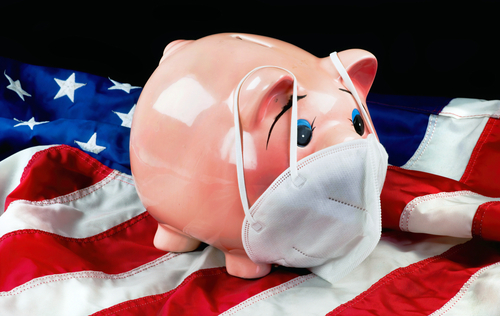 The CARES Act stimulus package substantially relaxed the rules around certain retirement account loan and distribution requirements, but with much confusion. As a result, the IRS recently put out a FAQ document to address the COVID-19 rule relaxation around IRA and 401(k) loans and distributions. This important information should come as welcome news for the nearly one percent of all retirement plan holders who have already taken a distribution under the new rules, according to Fidelity Investments.

